When you hear people talk about trekking in the Andes, usually the Inca Trail comes up right away. It’s the one that gets all the fame, the photos, the stories of reaching Machu Picchu at sunrise. But the Andes are way bigger than that, and honestly there are so many other trails out there that deserve attention.
In some ways they’re even more special, because you don’t have the same kind of crowds and the landscape feels more raw. The tricky part is, you can’t just show up any month of the year and expect the mountains to be friendly. The season you choose really shapes the whole experience.
The Golden Rule: Dry Season vs. Wet Season
The Andes are not just in Peru, even if most people picture that. They stretch across several countries, and each region has its own vibe. But there’s this general pattern of dry season and wet season, and that pretty much decides if a trek is smooth or if it turns into fighting mud and rain.
Peru: Beyond the Crowds
In Peru, apart from the Inca Trail, you’ve got options like:
- Salkantay
- Lares
- Choquequirao
- The Ausangate loop
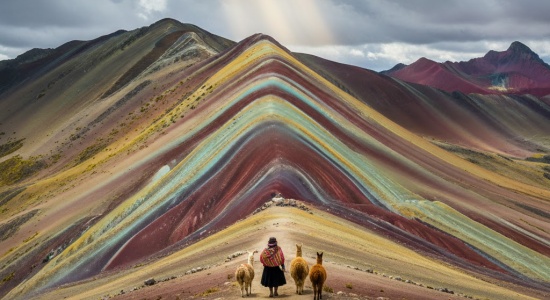
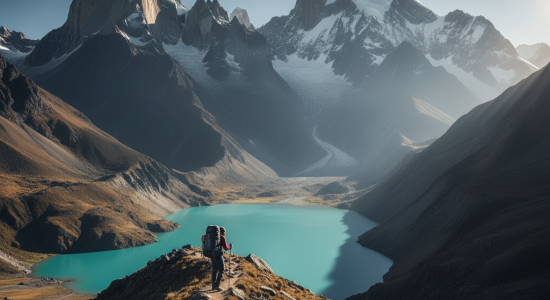
Each one feels different. Salkantay takes you past glaciers and jungle, Choquequirao feels like a secret Machu Picchu hidden in the mountains, and Ausangate is more about the high altitude and those colorful lakes you see in photos. The dry season here is from May to September. That’s when skies are clear most days, trails are easier, and mornings are those crisp cold ones where your breath hangs in the air. The downside is everyone knows this, so you won’t be the only one out there. But if you want reliability and big blue skies, that’s the time to go.
Bolivia: Wild and Unvisited
Bolivia’s Andes, especially near La Paz, are less visited but wild. The Cordillera Real is intense, with jagged peaks that look like something out of a painting. The best months again are May through September. The dry air makes the views sharper, and while the nights are freezing, the days usually stay stable. If you try in the rainy months, it’s a whole different story. Rivers swell, paths get messy, and sometimes it’s just not safe. The good thing in Bolivia is that even in peak season, it doesn’t feel overcrowded.
Ecuador: The Equatorial Exception
Ecuador is a bit different because it’s on the equator. You don’t get the same neat division of seasons like in Peru or Bolivia. The mountains here, like Cotopaxi or Chimborazo, are technically open all year, but the clearer, drier months are usually from June to September. The winds then can be rough, but the skies open up more often, which is worth it if you’re after views of massive volcanoes. Outside those months you might get heavy fog or rain that comes out of nowhere.
Patagonia (Chile & Argentina): A Flipped Calendar
Go further south to Chile and Argentina and the story flips. Down in Patagonia, the best trekking months are basically summer in the southern hemisphere, November to March. Days are longer, temps are more forgiving, and it’s the only time most people can realistically attempt big treks like Torres del Paine or Fitz Roy. Outside of that window, the weather is brutal, with snow and winds that just shut things down.
More Than Just Weather: Culture and Shoulder Seasons
Something a lot of trekkers forget to think about is not just the climate but also the cultural calendar. In Peru, around late May or early June, there’s the Qoyllur Rit’i festival up in the mountains. Thousands of people go, dancing and praying near the glaciers. If you happen to trek around that time, it’s not just the scenery that grabs you, but also the sense of being part of something ancient. These festivals usually line up with the start of the dry season, so you get the double bonus of better weather and cultural immersion.
Now, some people actually prefer going in the shoulder seasons, like April or October. You risk some rain, sure, but the trails are quieter, the mountains greener, and the rivers fuller. You do have to be okay with maybe getting a little soaked though.
I know hikers who swear that the colors and the peace in October beat the cold perfection of July.