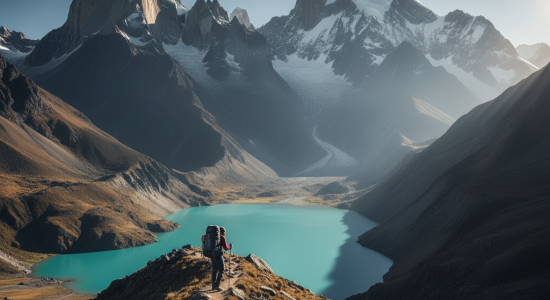
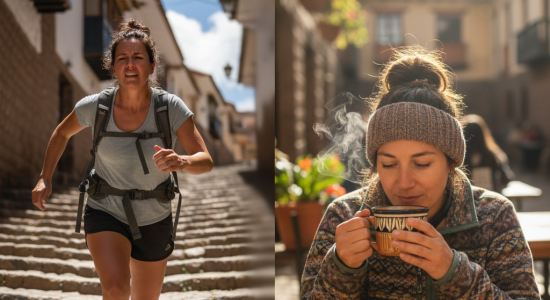
Planning a trip to Machu Picchu is an exercise in logistics, but the most critical preparation has nothing to do with tickets or train schedules. It’s about understanding altitude. The internet is flooded with advice, anecdotes, and folk wisdom about how to handle the thin air of the Andes, much of it contradictory or incomplete. To ensure your journey is memorable for the right reasons, it’s time to separate the high-altitude myths from the on-the-ground realities. This is your no-nonsense guide to breathing easy.
Myth 1: “Being physically fit protects you from altitude sickness.”
The Reality: This is perhaps the most dangerous misconception. While cardiovascular fitness is essential for trekking, it offers no immunity to Acute Mountain Sickness (AMS). Acclimatization is a physiological process related to how your body adapts to lower oxygen pressure, which has more to do with genetics than your marathon time.
In fact, very fit individuals can sometimes be at a higher risk because they are accustomed to pushing their bodies and may ascend too quickly or ignore early symptoms, assuming they can “power through.” The mountain doesn’t care about your fitness level; it only respects patience.
Myth 2: “You have to drink coca tea to be okay.”
The Reality: In Cusco, coca tea, or mate de coca, is offered everywhere as a gesture of welcome. It is a deeply ingrained part of Andean culture and a mild, soothing stimulant that has been used for centuries to alleviate discomfort. It absolutely helps with hydration and can ease mild symptoms like a slight headache. However, it is not a magic bullet or a substitute for proper acclimatization. Think of it as a helpful cultural tool that supports your adaptation, but not the cure itself. The real work is done by giving your body time, not by relying on one specific remedy. Drink it, enjoy it, but don’t expect it to erase the effects of ascending too quickly.
Myth 3: “If you get a headache, just take a painkiller and power through it.”
The Reality: Ignoring your body’s signals at altitude is a serious mistake. A mild headache upon arrival can be a normal part of the process. However, a severe, persistent, or worsening headache—especially one that isn’t relieved by basic painkillers—is your body’s primary warning sign that it is not coping. Masking this symptom and continuing to ascend or exert yourself can lead to dangerous, life-threatening conditions.
The reality is this: your body is sending you a message. The correct response is not to silence the messenger, but to heed the warning by resting, hydrating, and if symptoms persist or worsen, descending to a lower altitude.
Myth 4: “Arriving in Cusco and resting for one night is enough before a big trek.”
The Reality: While one night is the absolute minimum, true physiological acclimatization—the process of your body producing more red blood cells—takes several days. Many travelers on a tight schedule plan to land in Cusco (3,400m) and start a multi-day trek like the Salkantay almost immediately. This is a recipe for misery.
A much smarter and safer strategy is to allow for at least two to three full days at altitude before undertaking any strenuous activity. The ideal itinerary involves heading straight from Cusco airport down to the lower Sacred Valley (around 2,800m) for your first couple of nights. This allows your body to start the adaptation process at a less stressful elevation, dramatically increasing your chances of feeling strong and healthy when you later ascend.
Myth 5: “Altitude sickness is completely random, so you can’t really prepare.”
The Reality: While individual susceptibility varies, the effectiveness of a smart acclimatization strategy is not random at all. It is a proven, reliable method for reducing risk. You cannot change your genetic predisposition, but you can absolutely control your itinerary and behavior. By choosing to ascend slowly, staying well-hydrated, eating light meals, avoiding alcohol, and listening to your body’s signals, you are taking powerful, proactive steps to manage your adaptation. Preparation is key. Altitude sickness is not a game of chance; it’s a matter of strategy, and a thoughtful plan is your best defense.