
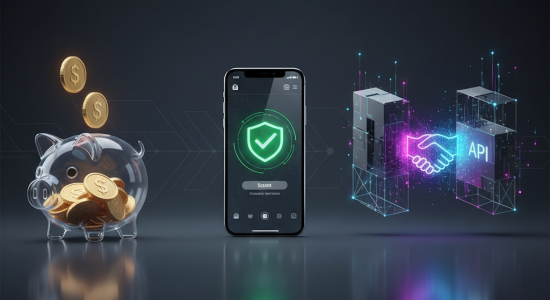
Most people don’t really think much about it, but every time you open a new account with an app or try to connect your bank to some service, there’s this slightly annoying step of verifying it. It feels small, like just another click in a never-ending list of online forms, but it’s actually a pretty big deal. Without verification, anyone could pretend they own an account, move money around that isn’t theirs, or just cause a total mess.
Over the years, banks and fintechs have tried different tricks to make sure the person linking an account is the real owner. The three that come up the most often are:
- Microdeposits
- Instant transfers
- APIs
Same problem, three very different vibes.
Microdeposits: The Old-School Reliable
Microdeposits are kind of the old-school way. If you signed up for PayPal or another online payment service back in the 2000s, you probably remember this. The company would drop two tiny amounts into your bank account—like 7 cents and 13 cents—and then you had to log in, find those numbers, and type them back. Boom, account verified. It sounds almost silly, but it works because only the real account holder can see those deposits.
The good part is that microdeposits work with pretty much any bank on the planet. The bad part is the waiting. You might sit around for two or three days just to see those amounts show up, which in today’s world feels like forever. People also forget to finish the process sometimes, so accounts stay half-verified. Still, even with its flaws, this method has stuck around because it’s simple and reliable.
Instant Transfers: The Need for Speed
Then you’ve got instant transfers. Think of it like microdeposits but with caffeine. Instead of waiting days, the system runs a tiny transfer in seconds. Usually it happens through a secure window where you log into your online banking, the app checks that you’re legit, and you’re good to go almost instantly. This is the kind of thing people expect now, especially if they’re signing up for a gig work platform or a peer-to-peer payment app. Nobody wants to wait two days before they can get paid or send money to a friend.
But as smooth as it feels, instant transfers aren’t perfect. Not every bank supports it, and in some countries the infrastructure just isn’t there. Plus, some users get nervous about entering their bank details on a third-party site, even if it’s secure. Businesses also have to pay extra for the providers that make this happen, which adds up if you’re verifying thousands of users a day.
APIs: The Future of Verification
The newest kid on the block is APIs. Now, if the word API makes your eyes glaze over, think of it like a digital handshake. It’s a way for one system to talk directly to another. In banking, APIs let apps or services connect straight to a bank to check account details. So instead of messing around with deposits or logins, the bank itself basically says, “yep, this account is real, and it belongs to this person.” In countries where open banking rules exist, this is becoming the go-to method.
APIs are fast, precise, and can scale to millions of users without breaking a sweat. They also let companies do extra checks like confirming balances or spotting potential fraud before it happens. Of course, nothing is perfect. APIs need laws and regulations to back them up, and not every country has those. In places without open banking, banks aren’t exactly lining up to hand over their data. Even when APIs are available, hooking them up takes technical know-how and constant maintenance. There’s also the usual security worry: if someone manages to exploit a weak point, things can go really wrong. That’s why companies using APIs have to invest heavily in cybersecurity. But still, for large fintechs and global platforms, APIs feel like the future.
An Evolution in Digital Finance
If you look at these three methods side by side, you can almost see the timeline of how digital finance has evolved.
Microdeposits belong to the era of dial-up internet and early online payments—slow but trustworthy. Instant transfers match the smartphone era where people expect speed and convenience above everything else. APIs point to the future where everything is connected, automated, and regulated.
Companies usually pick whichever method balances their needs for cost, speed, and reach.