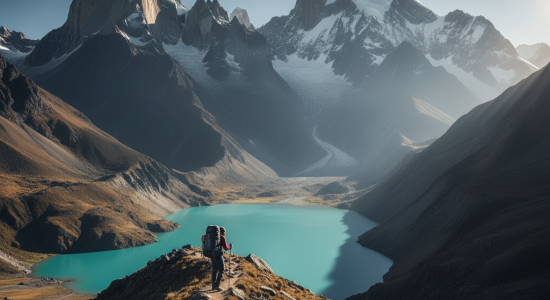
Most travelers land in Peru already carrying a very specific image in their head. It usually involves the mist of the Andes, ancient Inca stones, and perhaps a llama if they are lucky. Machu Picchu is impressive—there is no arguing that—but if that is all you see, you end up missing something completely unexpected. A few hours south of Lima, the landscape just dries out. It isn’t a slow change; it is as if someone turned off the green. Long stretches of sand replace the valleys, and the sky begins to feel far too big. Then, out of nowhere, you find Huacachina.
Huacachina is often cited as the only natural oasis in South America. For those used to the rugged peaks of Cusco, this looks like a different planet. To truly understand the logistics and the vibe of this place, exploring desert tourism in Huacachina is essential. It is a place that defies the traditional Peruvian narrative—there are no ruins here, just sand, water, and an immediate sense of wonder.
The Visual Shock: A Movie Set in the Desert
The first time you see Huacachina, it doesn’t feel very convincing. It looks staged, like a high-budget movie set dropped into the middle of the Ica desert. You see a small lagoon, palm trees, and buildings hugging the edge, all of it dwarfed by massive dunes rising all around it like yellow walls. It feels surreal because people actually live there, tucked between some of the tallest sand structures on the continent.
It’s quiet in the mornings, almost sleepy. You can walk around the entire oasis in about ten minutes if you don’t stop. A few places to eat and some hostels line the water, where people sit around just looking at the reflection of the sky in the lagoon. It’s a stark contrast to the chaotic energy that arrives later in the day.
South America’s Only Natural Oasis
Calling it the only natural oasis in South America isn’t just marketing—it’s a geological rarity. While there are other lagoons in the desert, Huacachina is the only one that has developed this specific ecosystem naturally. Even if you didn’t know its official title, you’d still feel its rarity. It isn’t just about the water; it’s about what happens around it. This isn’t a place where you just take a photo and leave. It invites imagination.
“The lagoon feels like a living thing, a small green heart beating in a chest of endless sand.”
There’s an old story about a woman who turned into a mermaid and created the lagoon. While it sounds made up, when the water is still and reflecting the towering dunes at sunset, you start to understand why legends like that stick around. The vibe of the place encourages you to believe in the slightly unreal.
The Shifting Landscape of Ica
What makes this place feel like a “natural amusement park” is that nothing is fixed. The dunes are constantly shifting and being reshaped by the wind. One day a slope is smooth and perfect; the next, the wind has carved it into a different shape entirely. It’s an uncontrolled environment, which is exactly why it works so well for those seeking adventure. You aren’t walking on ancient history carved into stone; you are moving through a landscape that changes every single day.
- Location: 5 hours south of Lima by bus.
- Climate: Perpetual sunshine and dry heat.
- Atmosphere: Tranquil mornings vs. high-adrenaline afternoons.
Redefining Your Idea of Peru
Huacachina messes with your preconceived notions of what Peru is supposed to be. By removing the ruins and the fog, it forces you to engage with the present moment. It’s not about the past; it’s about the heat on your skin, the sand in your shoes, and the sheer scale of the desert. It is a reminder that this country doesn’t fit into one single image. Peru is as much about the endless yellow dunes as it is about the green mountain peaks.