The deceptive simplicity of entrance ticket fees
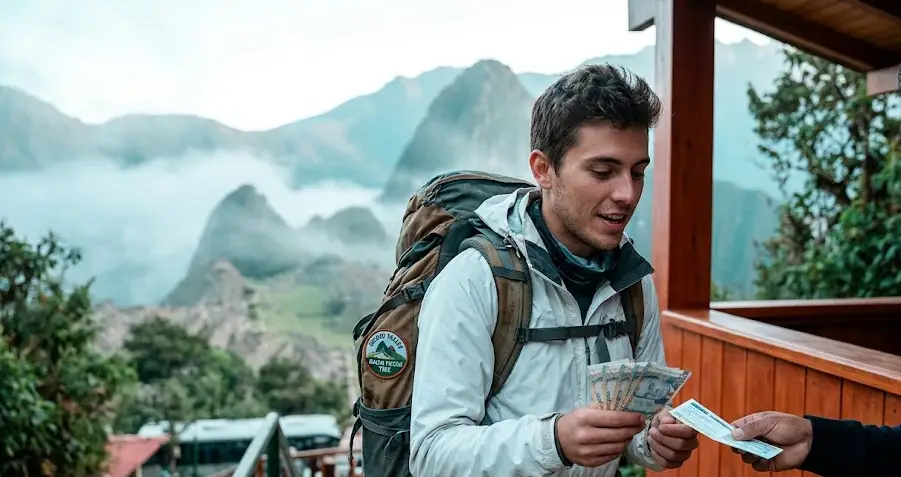
The admission pass feels reasonably priced for a destination with global recognition, creating a false sense of financial safety among independent operators. Travelers see the government ticket price and immediately build their entire financial projections around that single baseline number. That is where expectations begin drifting away from reality.
The entry voucher is merely the administrative key to the site, not the financial baseline of your Machu Picchu trip cost ledger. Assuming the rest of the regional infrastructure follows this affordable pattern leads straight to a severe cash shortage. The entrance fee hides the secondary layer of logistical outlays required to actually reach the gate.
Why the train infrastructure demands specialized budgeting
The train journey from the Sacred Valley to the base town of Aguas Calientes represents the single largest financial hurdle for independent visitors. Reaching the cloud forest requires using a private rail network that operates a virtual monopoly, charging premium international rates that surprise people accustomed to cheap daily living costs in Peru.
The train ticket dominates your cash flow, forcing an immediate reallocating of your regional travel funds. This logistical hurdle requires strict comparison shopping across different operational schedule blocks to minimize the total invoice, proving that rail transportation is the true driver of the overall budget curve.
The physical toll of low-cost alternative transport routes
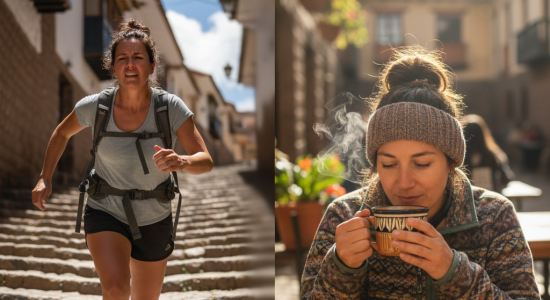
To avoid the expensive rail network, some backpackers opt for alternative paths combining local multi-passenger vans and a long walk along the hot jungle tracks from the hydroelectric station. While these alternative trails exist, there is a deep gap between planning theories and actual physical stamina.
Saving cash feels entirely different when you are navigating muddy trails, carrying heavy gear, and managing tight timetables. Overvaluing financial savings while undervaluing your physical energy reserves often compromises your capacity to enjoy the actual ruins upon arrival. Physical exhaustion can turn a dream tour into a painful endurance test.
The shuttle bus decision above Aguas Calientes
Once you reach the base town of Aguas Calientes, you face another logistical choice that impacts your daily energy and financial balance. The entrance to the ancient citadel sits hundreds of meters above the valley floor, requiring a decision between an exhausting uphill climb or a public shuttle bus. Thin mountain air and short sleep cycles change your perspective.
The shuttle bus preserves your energy for the ruins, allowing you to walk the archaeological trails with a clear mind. Consider the implications of this Choice:
- The shuttle bus preserves your energy for the actual loops within the historical site.
- The steep climb consumes hours of valuable morning light and physical stamina.
- The bus ticket adds a non-negotiable cash fee that must be incorporated into your base financial sheets.