Almost nobody goes to Machu Picchu by accident. It’s one of those places people imagine for years before actually booking the ticket. You see it in photos, on old postcards, in documentaries, and somehow it always looks unreal, like a place invented by someone with too much imagination.
But once you start planning the trip, you quickly realize that seeing Machu Picchu is not just one experience. How you get there matters, sometimes as much as the ruins themselves.
The Classic Inca Trail: The Famous Route
The option most people hear about first is the Classic Inca Trail, and for good reason. It involves walking for days through mountains, forests, and ancient stone paths, sleeping in tents, and slowly moving closer to the lost city.
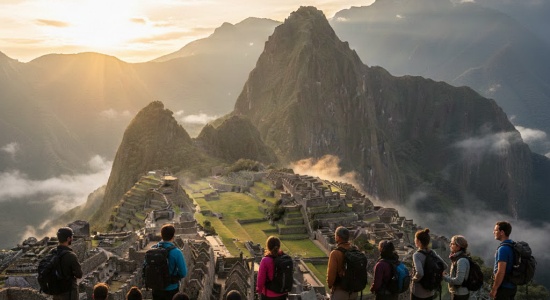
It usually takes four days, and the final morning you enter Machu Picchu through the Sun Gate, just like the Incas once did. That moment is hard to explain properly. People cry, laugh, sit quietly, or just stare.
The trail is famous, maybe too famous, which is why permits are limited and sell out fast. While some travelers find the crowds a bit distracting, it remains one of the most popular tours Machu Picchu has to offer, and almost everyone agrees it feels special.
The Salkantay Trek: Wilder and Bigger
Not everyone manages to get a permit, though, and that’s where the Salkantay Trek comes in. Over the years it has become one of the most popular alternatives, and honestly, many say it’s even more beautiful.
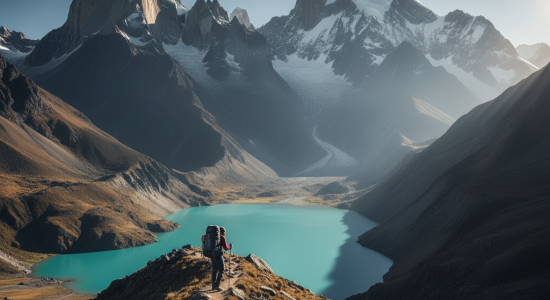
The landscapes are bigger, wilder, and sometimes a bit intimidating:
- Snowy peaks.
- Bright blue lakes.
- Long open valleys where you feel very small.
The trek is usually five days and feels more like a true mountain adventure than a historical walk. You don’t see as many ruins along the way, but what you get instead is space and silence.
The Lares Trek: Connection Over Drama
Then there’s the Lares Trek, which doesn’t always get the same attention, but quietly wins a lot of hearts. This route is less about dramatic entrances and more about connection.
You pass through small villages where kids wave as you walk by and farmers still work the land much like they did generations ago. One of the big highlights is soaking in natural hot springs at the end of a long day, muscles tired, mind calm. It’s not the most direct route to Machu Picchu, but it feels personal, slower, and more human somehow.
The Train: Comfort and Scenery
Of course, not everyone wants to hike for days, and that’s perfectly fine. The train to Machu Picchu is actually the most common way people visit. You board in Cusco or the Sacred Valley and follow the river as the landscape changes outside your window.
Mountains soften, green takes over, and suddenly everything feels warmer and more alive. This option is popular with:
- Families.
- Older travelers.
- Anyone short on time.
Some say it’s less authentic, but sitting on that train, watching the scenery slide by, it’s hard to feel like you’re missing out.
The Inca Jungle Trek: Adventure and Chaos
Another option that keeps popping up in conversations is the Inca Jungle Trek. This one breaks a few rules. It mixes hiking with biking, sometimes rafting, and has a more relaxed, almost backpacker-style vibe.
It’s popular with younger travelers and people who like variety and a bit of chaos. You won’t walk ancient stone paths the whole time, but you’ll see jungle landscapes, small towns, and share laughs with people you just met. It’s not traditional, but for many, that’s exactly the point.
Choquequirao: The Epic Route
For those who want something really intense, there’s the Choquequirao route. This is not a casual decision. It’s long, tough, and physically demanding. Some people take more than a week to complete it, and the reward is visiting Choquequirao, a massive archaeological site that sees only a fraction of the visitors Machu Picchu gets.
From there, some continue toward Machu Picchu, turning the journey into something epic. It’s popular among experienced trekkers who want solitude and a sense of discovery—the feeling that you earned every single view.
Conclusion: The Day Tour Option
Day tours are another very common option, especially for travelers with packed itineraries. These tours start early—sometimes painfully early—and combine buses, trains, and guided visits.
Yes, they can feel rushed. Yes, there are crowds. But for many people, this is the only way to make it work, and Machu Picchu still manages to leave a strong impression, even if you’re there for just a few hours.