How did ancient Inca beliefs conceptualize the spiritual and practical value of mountain water?
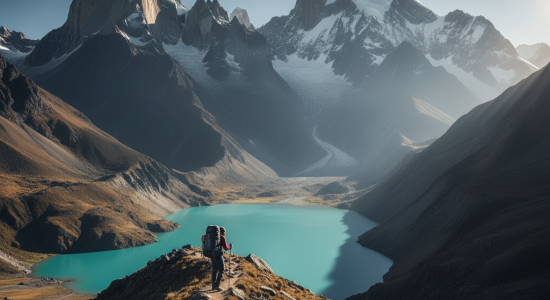
The Incas approached hydrological resources with a profound perspective that extended far beyond simple survival or agricultural utility. To this ancient civilization, water was a sacred, living force deeply intertwined with spiritual energy and community life. The towering peaks of the Andes were revered as divine ancestors, and the pure water melting from their snowcaps carried vital power down into the agricultural valleys.
According to historical and archaeological records, entire mountain communities depended entirely on these melting glaciers to feed their sophisticated terraced crops. While the Incas were obviously not producing modern India pale ales or pilsners, they instinctively recognized that high-altitude water possessed unique qualities. Drinking directly from a natural Andean mountain source reveals an immediate, crisp freshness that stands in sharp contrast to the chemical, chlorinated profile of heavily treated tap water found in urban centers.
What role does water chemistry play in defining the flavor profiles of contemporary beer?
Modern brewmasters look past the romantic myth of mountain water to focus intensely on its specific chemical and mineral composition. The geological profile of a water source dictates how hop bitterness registers on the palate, how grain sugars dissolve, and how clean the final fermentation appears. Different regions naturally yield distinct water weights, ranging from heavy mineral concentrations to incredibly soft profiles.
- Soft water structures allow delicate, nuanced grain flavors to emerge clearly
- Mineral-heavy water profiles can cause lighter beer styles to taste unpleasantly metallic
- Natural pH balances reduce the need for extensive chemical adjustments in the brewery
This technical reality explains why pristine mountain water is highly prized for executing crisp, transparent beer styles. Naturally balanced glacial streams provide an ideal foundation for brewers who want to avoid the aggressive chemical filtering required by municipal water supplies. This raw purity allows subtle ingredients to shine instead of forcing the production team to artificially engineer the mineral balance from scratch using industrial laboratory supplements.
How do modern craft breweries balance authentic regional sourcing with commercial mythology?
The historical connection between specific geographical regions and their brewing water has guided global alcohol production for centuries. Famous European lager traditions flourished precisely because the local water supplies possessed a naturally soft composition that complemented light grains. In the modern market, where automated filtration allows chemists to simulate any global water profile artificially, consumers are increasingly seeking authentic regional narratives.
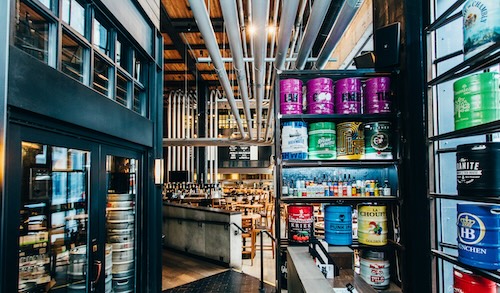
This cultural demand has led numerous craft breweries across Peru and Patagonia to build their entire market presence around glacier imagery. Cans are frequently decorated with dramatic snowy peaks, majestic condors, and elaborate references to ancient Inca folklore. While some corporate labeling can feel overly commercialized, the physical substance behind the liquid remains genuinely distinct. Consumers are no longer just buying a standard flavor profile; they are investing in a tangible connection to a specific landscape. Cold mountain air, remote stone peaks, and centuries of slow glacial accumulation create an emotional appeal that industrial factory beer cannot duplicate.
What environmental paradox threatens the future of glacier-fed brewing operations?
The most unsettling aspect of marketing high-altitude purity is the rapid environmental decay occurring at the very source of the water supply. The exact same glaciers being celebrated on vibrant craft beer labels are shrinking at an alarming rate due to global climate shifts. This creates a severe contradiction where businesses build commercial campaigns around ideas of eternal mountain permanence while the geographical reality grows increasingly fragile.
In high-altitude Andean territories, climatologists have issued urgent warnings regarding accelerated ice loss for several decades. Numerous smaller ice formations have already vanished entirely, threatening the long-term water stability of remote agricultural villages. A few progressive breweries have started addressing this crisis openly by donating operational profits to local conservation groups and partnering with environmental organizations. However, other commercial operations continue to exploit the pristine imagery purely to move product, highlighting the complicated tension between marketing and true environmental stewardship.